
PREVALENCE AND PREDICTIVE FACTORS OF ANAEMIA DURING PREGNANCY AT MPENDAE HEALTH CENTRE, ZANZIBAR, TANZANIA
-
 Chukwuma J. Okafor
Department of Pathology and Biochemistry, State University of Zanzibar, Tanzania.
Chukwuma J. Okafor
Department of Pathology and Biochemistry, State University of Zanzibar, Tanzania.
-
Ramla Haji Makame
Department of Surgery, State University of Zanzibar, Tanzania.
-
Rodolfo Isidro Bosch Bayard
Department of Internal Medicine, State University of Zanzibar, Tanzania.
-
Diane Millo Martin
Department of Physiology, State University of Zanzibar, Tanzania.
-
Lorena Bosch Orihuela
Central Collaboration Unit, Ministry of Public Health, Cuba.
Keywords:
Anaemia, antenatal care, dietary intake, iron-deficiency, nutritional status, pregnancy, socioeconomic factors, ZanzibarAbstract
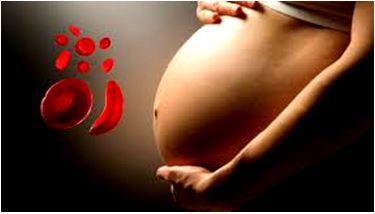
Background: Maternal anaemia is a significant public health concern in sub-Saharan Africa, particularly in Tanzania, where estimates suggest that 40-57% of pregnant women may be affected. This condition during pregnancy can lead to serious health risks, affecting both mothers and their unborn children, ultimately contributing to increased complications and even higher mortality rates.
Objectives: The study aims to assess the prevalence of anaemia in pregnant women attending antenatal care services at Mpendae Health Centre in Zanzibar and associated sociodemographic factors, diet, obstetric factors, and socioeconomic factors
Methods: A cross-sectional study was conducted in healthcare facilities involving 200 pregnant women. Data on sociodemographic characteristics, dietary habits, obstetric history, and socioeconomic status of families were collected through structured interviews. Correlations were assessed using odds ratios (ORs) and 95% confidence intervals (CIs).
Results: Anaemia prevalence was 84.0% (168/200). Significant dietary predictors included low meal frequency, inadequate intake of iron-rich foods (OR=0.57; 95% CI 0.50–0.65), poor adherence to iron–folic acid supplementation (OR=0.238; 95% CI 0.182–0.312), and pica (OR=27.62; 95% CI 4.01–190.28). Obstetric factors associated with anaemia were high parity, short inter-pregnancy intervals, late ANC initiation, and prior history of anaemia. Socioeconomic determinants included low household income (OR=0.137; 95% CI 0.094–0.200), food insecurity (OR=0.185; 95% CI 0.134–0.254), and limited social support.
Conclusions: Anaemia is very common and multifactorial in this group, resulting from malnutrition, pregnancy and childbirth risks, and low socioeconomic status. Therefore, interventions should include nutritional counseling, iron and folic acid supplementation, obstetric care, and structural strategies such as women's education, economic empowerment, and enhanced social support.
Peer Review History:
Received 5 October 2025; Reviewed 11 November 2025; Accepted 20 December; Available online 15 January 2026
Academic Editor: Dr. DANIYAN Oluwatoyin Michael , Obafemi Awolowo University, ILE-IFE, Nigeria, [email protected]
Reviewers:
Prof. Hassan A.H. Al-Shamahy, Sana'a University, Yemen, [email protected]
Dr. Ogbonna B. Onyebuchi, Nnamdi Azikiwe University, Awka, Nigeria, [email protected]
Downloads


Published
How to Cite
Issue
Section
Copyright (c) 2026 Universal Journal of Pharmaceutical Research

This work is licensed under a Creative Commons Attribution-NonCommercial 4.0 International License.







 .
.