
PHARMACOVIGILANCE ASSESSMENT OF DRUG-INDUCED BARORECEPTOR DYSFUNCTION AND ITS CONTRIBUTION TO CARDIOVASCULAR ADVERSE DRUG REACTIONS
-
 Said Salim Said
Zanzibar Food and Drug Agency (ZFDA), Zanzibar, Tanzania.
Said Salim Said
Zanzibar Food and Drug Agency (ZFDA), Zanzibar, Tanzania.
-
Burhani Simai
Zanzibar Food and Drug Agency (ZFDA), Zanzibar, Tanzania.
-
Ahmad Makame Mwadini
Zanzibar Food and Drug Agency (ZFDA), Zanzibar, Tanzania.
-
Sabra Salim Rashid
Medicine Policy Unit, Ministry of Health, Zanzibar, Tanzania.
Keywords:
Blood pressure, baroreceptor dysfunction, cardiovascular adverse drug reactions, pharmacovigilanceAbstract
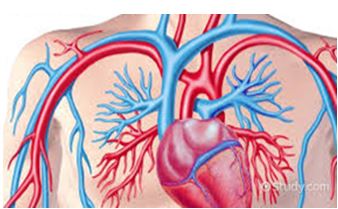
Drug-induced baroreceptor dysfunction represents an underrecognized mechanism contributing to cardiovascular adverse drug reactions, including reflex tachycardia, bradycardia, syncope, orthostatic hypotension, and arrhythmias. However, despite the critical role played by the baroreflex arc in short-term blood pressure regulation through rapid autonomic adjustments, pharmacological impairment of this reflex has not been systematically evaluated in pharmacovigilance systems. This review synthesizes the current evidence on drug-induced baroreceptor dysfunction, discusses the limitations of spontaneous reporting databases, identifies potential pharmacovigilance signal detection methods, and points out major gaps in current knowledge. It also discusses opportunities opened by emerging tools, such as digital health technologies, computational modelling, and real-world evidence to strengthen the early detection of baroreflex related cardiovascular ADRs. We conclude that integrating baroreceptor-specific endpoints into pharmacovigilance frameworks might improve the prediction, detection, and prevention of serious cardiovascular drug reactions.
Peer Review History:
Received 8 October 2025; Reviewed 11 November 2025; Accepted 20 December; Available online 15 January 2026
Academic Editor: Dr. Sally A. El-Zahaby , Pharos University in Alexandria, Egypt, [email protected]
Reviewers:
Dr. Nada Farrag, Misr International University, Egypt, [email protected]
Dr. Mujde Eryilmaz, Ankara University,Turkey, [email protected]
Downloads


Published
How to Cite
Issue
Section
Copyright (c) 2026 Universal Journal of Pharmaceutical Research

This work is licensed under a Creative Commons Attribution-NonCommercial 4.0 International License.







 .
.