
IMMUNOLOGICAL CHALLENGES IN TREATING PATIENTS WITH HIV AND SICKLE CELL DISEASE: A NARRATIVE REVIEW
-
 Emmanuel Ifeanyi Obeagu
Department of Biomedical and Laboratory Science, Africa University, Mutare, Zimbabwe. The Department of Molecular Medicine and Haematology, School of Pathology, Faculty of Health Sciences, University of the Witwatersr and, Johannesburg, South Africa.
Emmanuel Ifeanyi Obeagu
Department of Biomedical and Laboratory Science, Africa University, Mutare, Zimbabwe. The Department of Molecular Medicine and Haematology, School of Pathology, Faculty of Health Sciences, University of the Witwatersr and, Johannesburg, South Africa.
-
Chukwuma J. Okafor
Department of Pathology and Biochemistry, State University of Zanzibar, Tanzania.
Keywords:
Chronic inflammation, HIV, immune dysregulation, immunologic synergy, sickle cell co-infectionAbstract
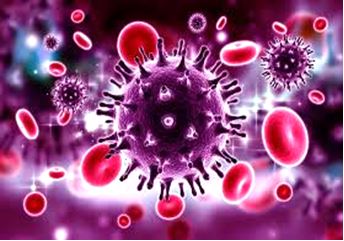
The simultaneous presence of HIV infection and sickle cell disease (SCD) poses considerable immunological and treatment difficulties, especially in areas where both conditions are very common. HIV leads to gradual immunodeficiency by depleting CD4+ T cells and causing chronic immune activation, whereas SCD is marked by ongoing inflammation, hemolysis, and weakened immune responses. These factors together result in a complicated immune environment characterized by increased inflammation, immune fatigue, and greater vulnerability to infections. This review examines the shared immune dysregulation in HIV and SCD, emphasizing the contributions of monocyte activation, T cell impairment, and endothelial damage in promoting disease complications. We examine how persistent inflammation and immune response worsen vaso-occlusive crises, coagulopathy, and blood-related issues, making clinical management more complex. Moreover, the effects of standard therapies including antiretroviral treatment and SCD-specific therapies like hydroxyurea and transfusions on immune balance are evaluated, emphasizing possible drug interactions and immune effects.
Peer Review History:
Received 6 October 2025; Reviewed 12 November 2025; Accepted 22 December; Available online 15 January 2026
Academic Editor: Dr. Nuray Arı , Ankara University, Turkiye, [email protected]
Reviewers:
Dr. Nkechi Obiofu Ezenobi, University of Port Harcourt, Nigeria, [email protected]
Dr. Nagalingam Varnakulenthiren, Siddha Medicine, Unit of Siddha Medicine, Trincomalee Campus, EUSL, Sri Lanka, [email protected]
Downloads

Published
How to Cite
Issue
Section
Copyright (c) 2026 Universal Journal of Pharmaceutical Research

This work is licensed under a Creative Commons Attribution-NonCommercial 4.0 International License.







 .
.