
PROTECTIVE EFFECTS OF ANNONA MURICATA ETHANOL LEAF EXTRACT ON RENAL FUNCTION AND SERUM ANTIOXIDANT PARAMETERS IN MONOSODIUM GLUTAMATE INTOXICATED RATS
-
 Njoku Juliet Chinomso
Department of Biochemistry, College of Natural Sciences, Michael Okpara University of Agriculture, Umudike, P.M.B. 7267. Umuahia, Abia State, Nigeria.
Njoku Juliet Chinomso
Department of Biochemistry, College of Natural Sciences, Michael Okpara University of Agriculture, Umudike, P.M.B. 7267. Umuahia, Abia State, Nigeria.
-
Anyiam Paul Ndubuisi
Department of Biochemistry, College of Natural Sciences, Michael Okpara University of Agriculture, Umudike, P.M.B. 7267. Umuahia, Abia State, Nigeria.
-
Alaebo Prince Ogochukwu
Department of Biochemistry, College of Natural Sciences, Michael Okpara University of Agriculture, Umudike, P.M.B. 7267. Umuahia, Abia State, Nigeria.
-
Chris-Eze Chidinma Esther
Department of Biochemistry, College of Natural Sciences, Michael Okpara University of Agriculture, Umudike, P.M.B. 7267. Umuahia, Abia State, Nigeria.
-
Ebeleagu Joseph Chidiebere
Department of Biochemistry, College of Natural Sciences, Michael Okpara University of Agriculture, Umudike, P.M.B. 7267. Umuahia, Abia State, Nigeria.
-
Francis Blessing Chidinma
Department of Biochemistry, College of Natural Sciences, Michael Okpara University of Agriculture, Umudike, P.M.B. 7267. Umuahia, Abia State, Nigeria.
Keywords:
Annona muricata, antioxidants, monosodium glutamate, nephroprotection, oxidative stressAbstract
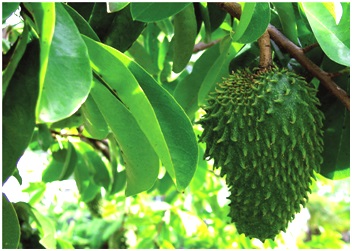
Background and Objective: Monosodium glutamate (MSG)-induced oxidative stress has been implicated in renal dysfunction through excessive generation of reactive oxygen species. Annona muricata is a medicinal plant reputed for its antioxidant and nephroprotective properties. This study evaluated the protective effects of ethanol leaf extract of A. muricata on renal function and serum antioxidant parameters in MSG-intoxicated albino rats.
Methods: Thirty male albino rats were randomly assigned into six groups (n = 5). Group I served as the normal control, Group II received MSG (800 mg/kg body weight), Group III received MSG plus silymarin (50 mg/kg), while Groups IV–VI received MSG plus ethanol leaf extract of A. muricata at doses of 200, 400, and 800 mg/kg body weight, respectively, for 14 days.
Results: Administration of MSG significantly (p<0.05) increased serum urea, creatinine, sodium, chloride, and MDA concentrations, with concomitant reductions in GSH, GPx, SOD, and CAT activities compared with the normal control. Treatment with A. muricata extract significantly (p<0.05) ameliorated these alterations in a dose dependent manner. The highest dose (800 mg/kg) produced the greatest nephroprotective effect, reducing serum urea (25.03±2.01 mg/dL) and creatinine (0.70±0.03 mg/dL), while significantly increasing GSH (13.70±0.41 µmol/mg protein), GPx (31.37±0.91 µmol/mg protein), SOD (37.76± 0.66 µmol/mg protein), and CAT (16.80±0.81 µmol/mg protein) compared with the MSG-treated group.
Conclusion: Ethanol leaf extract of A. muricata demonstrated significant dose-dependent antioxidant and nephroprotective effects against MSG-induced renal toxicity, suggesting its potential as a natural therapeutic agent for the management of oxidative stress-related kidney injury.
Peer Review History:
Received 3 June 2026; Reviewed 9 July 2026; Accepted 7 August; Available online 15 September 2026
Academic Editor: Dr. DANIYAN Oluwatoyin Michael , Obafemi Awolowo University, ILE-IFE, Nigeria, [email protected]
Reviewers:
Dr. Rana Ahmed MohamedEl-Saied El-Fitiany, Ahram Canadian University, Giza, Egypt, [email protected]
Dr. Sangeetha Arullappan, Universiti Tunku Abdul Rahman, Malaysia, [email protected]
Downloads


Published
How to Cite
Issue
Section
Copyright (c) 2026 Universal Journal of Pharmaceutical Research

This work is licensed under a Creative Commons Attribution-NonCommercial 4.0 International License.







 .
.