
IMMEDIATE IMPLANT PLACEMENT IN SOCKET WITH PERIAPICAL LESIONS: A STUDY OF THE IMMEDIATE DENTAL IMPLANT PROCEDURE IN PATIENTS WITH PERIAPICAL LESIONS IN SANA'A, YEMEN
-
 Lutf Mohammed Al-Rahbi
Yemen Medical Specialist Council, Ministry of Health and population, Yemen. Department of Oral and Maxillo-Facial Surgery, Faculty of Dentistry, Sana’a University, Republic of Yemen.
Lutf Mohammed Al-Rahbi
Yemen Medical Specialist Council, Ministry of Health and population, Yemen. Department of Oral and Maxillo-Facial Surgery, Faculty of Dentistry, Sana’a University, Republic of Yemen.
-
Mohammed Musleh Al Shami
Yemen Medical Specialist Council, Ministry of Health and population, Yemen.
-
Ahmed Abdulah Al-Ashwal
Yemen Medical Specialist Council, Ministry of Health and population, Yemen. Department of Oral and Maxillo-Facial Surgery, Faculty of Dentistry, Sana’a University, Republic of Yemen.
Keywords:
Asymptomatic apical periodontitis, cone beam computed tomography, fresh socket implant, immediate implant placement, periapical lesions, YemenAbstract
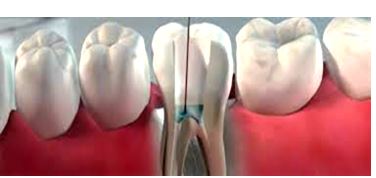
Background and Aims: Immediate dental implant surgery involves inserting a dental implant into the socket of a recently extracted tooth at the time of extraction. This procedure has garnered significant attention in modern dentistry, particularly in cases of apical lesions. This study explores immediate implant placement in patients with periapical lesions, focusing on outcomes, success rates, and complications among Yemeni patients.
Methods: A clinical follow-up study involved patients who had a single tooth extracted from the incisors, canines, or premolars, divided into an experimental group (TG) and a control group (CG). Implants were immediately placed post-extraction, loaded after 3 months for the lower jaw and 4 months for the upper jaw in both groups. Ten patients with unrecoverable teeth and no periapical disorders made up the control group. Ten patients with periapical radiolucencies and pathology who showed no symptoms of discomfort, fistulas, or suppuration were included in the TG.
Results: The study involved 50% male and 50% female patients, primarily aged 40 to 48 years (55%), with a mean age of 37.1 years. A significant difference was found between the non-lesion group, which had 100% 'Free' sockets, and the periapical lesion group with 'periapical cyst/granuloma' sockets (p=0.000). The distribution of implant sites varied significantly (p=0.030), with the periapical lesion group concentrated in the maxillary left arch (70%) and the non-lesion group in the mandibular left arch (50%). Survival rates were 100% in the non-lesion group and 90.0% in the periapical lesion group. A significant reduction in mean bucco-lingual width was noted from baseline to the one-year follow-up (p=0.000*).
Conclusion: Within the limitations of the current study due to the small sample size, immediate implant placement in extraction cavities with asymptomatic apical periodontitis resulted in a high success rate with stability, no increase in the complication rate, and a similar type of favourable tissue fusion.
Peer Review History:
Received 2 October 2025; Reviewed 12 November 2025; Accepted 18 December; Available online 15 January 2026
Academic Editor: Dr. Emmanuel O. Olorunsola , Department of Pharmaceutics & Pharmaceutical Technology, University of Uyo, Nigeria, [email protected]
Reviewers:
Dr. Wilman Ismael Carrillo Terán, Technical University of Ambato Avda, Ecuador, [email protected]
Dr. Vanina Doris Edo’o, University of Yaounde I, Yaounde, Cameroun, [email protected]
Downloads


Published
How to Cite
Issue
Section
Copyright (c) 2026 Universal Journal of Pharmaceutical Research

This work is licensed under a Creative Commons Attribution-NonCommercial 4.0 International License.







 .
.