
THE IMPACT OF DIFFERENT OSTEOSYNTHESIS TECHNIQUES ON POST-OPERATIVE OUTCOMES IN MANDIBULAR FRACTURE MANAGEMENT
-
 Lutf Mohammed Al-Rahbi
Yemen Medical Specialist Council, Ministry of Health and Population, Yemen. Department of Oral and Maxillo-Facial Surgery, Faculty of Dentistry, Sana’a University, Republic of Yemen.
Lutf Mohammed Al-Rahbi
Yemen Medical Specialist Council, Ministry of Health and Population, Yemen. Department of Oral and Maxillo-Facial Surgery, Faculty of Dentistry, Sana’a University, Republic of Yemen.
-
Abdullah Mohammad Alezzi
Yemen Medical Specialist Council, Ministry of Health and Population, Yemen.
-
Hassan Abdulwahab Al-Shamahy
Department of Basic Sciences, Faculty of Dentistry, Sana’a University, Republic of Yemen. Medical Microbiology and Clinical Immunology Department, Faculty of Medicine and Health Sciences, Sana’a University.
-
Ahmed Abdulah Al-Ashwal
Yemen Medical Specialist Council, Ministry of Health and Population, Yemen. Department of Oral and Maxillo-Facial Surgery, Faculty of Dentistry, Sana’a University, Republic of Yemen.
Keywords:
Malocclusion, mandibular fracture, mandibular trauma, Military Hospital, Sana’a city, YemenAbstract
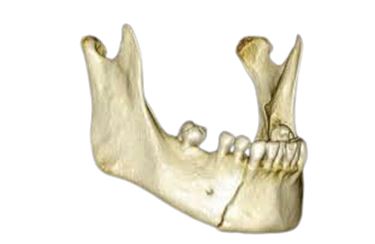
Background and Aims: Mandibular fractures are among the most common facial fractures, typically ranking first or second after nasal fractures, the aim of the current study was to analyse the outcomes of mandible fractures treated using mini plate with and without IMF; and reconstruction plate with or without IMF.
Subjects and Methods: A retrospective study preformed for patients with mandibular fractures treated surgically in Military Hospital in Sana’a city, Yemen during a 2024. The patients divided in 4 groups in respect to treatment, mini plate with and without IMF; and reconstruction plate with or without IMF. Demographic information, systemic sickness, aetiology, fracture location, any related systemic disorders or facial injuries, kind and timing of repair, and antibiotic treatment were all gathered. Complications include infection, non-union or malunion, hardware failure, and wound dehiscence were also noted.
Results: The study analyzed 40 male patients with an average age of 26.7 years. Notably, 67.5% of fractures resulted from road traffic accidents, with fractures primarily classified as simple (50%) and closed (72.5%). Occlusion issues were significant, affecting 67.5% of the patients. In evaluating mandibular nerve injury, 62.5% of patients experienced local numbness. Treatment methods included mini-plate fixation (67.5%) and reconstruction plates (32.5%). The complication rate was 25.9% for mini-plates versus 46.2% for reconstruction plates, with wound herniation and sensory impairment being the most frequent complications.
Conclusions: The complication rates in this group are consistent with published studies, although differences may stem from the small sample size, short follow-up period, and patients' comorbidities. The involvement of experienced surgeons during regular working hours likely contributed to the excellent outcomes, and despite the challenges, most patients achieved positive results.
Peer Review History:
Received 5 October 2025; Reviewed 10 November 2025; Accepted 11 December; Available online 15 January 2026
Academic Editor: Prof. Dr. Gorkem Dulger , Duzce University, Turkey, [email protected]
Reviewers:
Prof. Syamsudin Abdillah, Pancasila University, Indonesia, [email protected]
Sheima Nadim Kadhim, Deparment of Pharmacology and Toxicology, College of pharmacy, University of Basra, Iraq. [email protected]
Downloads


Published
How to Cite
Issue
Section
Copyright (c) 2026 Universal Journal of Pharmaceutical Research

This work is licensed under a Creative Commons Attribution-NonCommercial 4.0 International License.







 .
.