
HEMATOLOGIC INFLAMMATION IN OVARIAN CANCER: INTEGRATING ARTIFICIAL INTELLIGENCE AND BIOMARKERS FOR EARLY DETECTION
-
 Emmanuel Ifeanyi Obeagu
Division of Haematology, Department of Biomedical and Laboratory Science, Africa University, Zimbabwe. Department of Molecular Medicine and Haematology, School of Pathology, Faculty of Health Sciences, University of the Witwatersrand, Johannesburg, South Africa.
Emmanuel Ifeanyi Obeagu
Division of Haematology, Department of Biomedical and Laboratory Science, Africa University, Zimbabwe. Department of Molecular Medicine and Haematology, School of Pathology, Faculty of Health Sciences, University of the Witwatersrand, Johannesburg, South Africa.
-
Venus Sunguro
Division of Haematology, Department of Biomedical and Laboratory Science, Africa University, Zimbabwe.
Keywords:
Artificial intelligence, early detection, hematologic inflammation, biomarkers, ovarian cancerAbstract
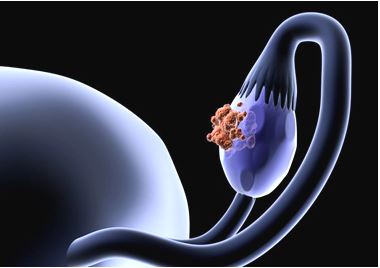
Ovarian cancer continues to be a primary reason for gynecologic cancer deaths, primarily because of late diagnosis and the lack of effective screening methods. Hematologic inflammation, indicated by systemic markers like the neutrophil-to-lymphocyte ratio (NLR), platelet indices, and C-reactive protein, is crucial in the development and advancement of tumors. These readily obtainable inflammatory markers have demonstrated potential in forecasting disease presence and outcomes, but their clinical usefulness for early detection is still limited by low specificity and variability among patient groups. Recent developments in artificial intelligence (AI) present transformative opportunities to address these challenges by combining intricate biomarker data with clinical and imaging details. Machine learning algorithms can detect intricate, nonlinear trends in hematologic inflammation markers associated with early ovarian cancer, improving diagnostic precision over conventional techniques. This integration allows for tailored risk evaluation and ongoing monitoring, potentially allowing for earlier actions that enhance survival rates. This review examines the biological foundations of hematologic inflammation in ovarian cancer and assesses the developing role of AI-enhanced biomarker integration for early detection.
Peer Review History:
Received 8 April 2026; Reviewed 13 May 2026; Accepted 9 June; Available online 15 July 2026
Academic Editor: Dr. Nuray Arı , Ankara University, Turkiye, [email protected]
Reviewers:
Dr. Francis Adou Yapo, Felix Houphouet Boigny, University of Abidjan, Ivory Coast, [email protected]
Dr. Evren Alğin Yapar, Turkish Medicines and Medical Devices Agency, Turkiye, [email protected]
Downloads


Published
How to Cite
Issue
Section
Copyright (c) 2026 Universal Journal of Pharmaceutical Research

This work is licensed under a Creative Commons Attribution-NonCommercial 4.0 International License.







 .
.